
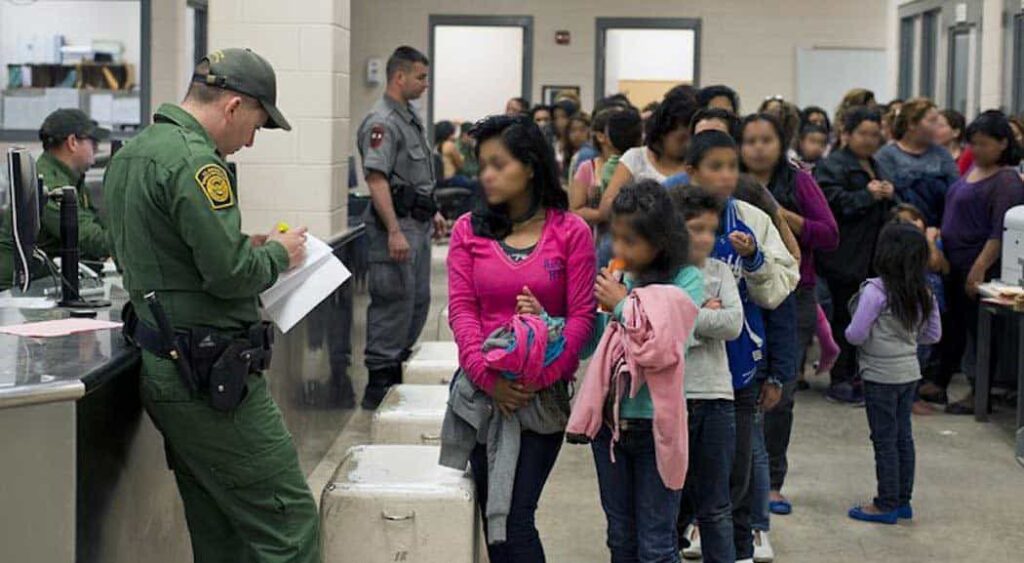
Tomorrow, June 20, 2026, the world observes World Refugee Day. This year, the United Nations has designated a theme that strikes at the core of our shared humanity: “Until Everyone Is Safe.” It is a poignant reminder on the 75th anniversary of the 1951 Refugee Convention that safety is not a scarce resource to be hoarded, but a fundamental right to be extended.
When we read the staggering statistics of global displacement—tens of millions forced to flee their homes due to persecution, war, and political collapse—it is easy to feel overwhelmed. The sheer scale of the crisis can induce a sense of paralysis. But the global refugee crisis is ultimately solved one life, one family, and one community at a time. In the United States, one of the most powerful and transformative ways to answer the call of “Until Everyone Is Safe” is by choosing to host an immigrant or refugee.
The Crucial First Step: Overcoming the Housing Barrier
When refugees or asylum seekers are approved to resettle in the United States, they arrive with hope, resilience, and often, very little else. The initial transition is an incredibly vulnerable period. They face the daunting tasks of learning a new language, finding employment, enrolling children in school, and navigating complex bureaucratic systems.
However, the single greatest barrier to a successful resettlement is securing safe, affordable housing. Without a credit history, a U.S. rental record, or immediate proof of income, standard apartment leases are virtually impossible to secure. Traditional resettlement agencies frequently struggle to find temporary housing, sometimes resorting to expensive motels that drain the modest resettlement funds quickly.
This is where the transformative power of a host family comes in. By opening a spare bedroom, an in-law suite, or an empty apartment, hosts provide a vital bridge. They offer a soft landing, a temporary sanctuary where new arrivals can catch their breath, establish their footing, and begin the hard work of rebuilding their lives without the immediate, crushing stress of homelessness.
Beyond Shelter: Building Community and Trust
Hosting an immigrant provides far more than just a roof and four walls; it provides an immediate anchor into the community. The American system can be bewildering. Simple tasks—like figuring out the public transit routes, setting up a bank account, scheduling a doctor’s appointment, or understanding how to enroll in a local school—can feel insurmountable to someone who has just arrived in the country.
Host families serve as cultural guides and advocates. They help decode the nuances of daily life, practice English conversation over dinner, and provide the emotional support that comes from human connection. This relational aspect of hosting is deeply profound. It breaks down the isolation that many newcomers feel and replaces it with a sense of belonging.
In a society where anti-immigrant rhetoric frequently dominates the political discourse, the act of welcoming a stranger into your home is a radical statement of empathy. It replaces fear with proximity, and statistics with human faces.
A Mutual Transformation
The narrative around hosting often focuses on what the host gives to the newcomer. But talk to any family who has participated in community sponsorship or hosting programs, and they will tell you that the transformation is profoundly mutual.
Hosts gain a deeper understanding of the world, hearing firsthand accounts of resilience and courage that redefine their perspective on global events. Children in host families learn the invaluable lessons of hospitality, cultural exchange, and global citizenship. Bonds are forged that frequently last a lifetime, transforming strangers into extended family.
Answering the Call in 2026
The need for host families in the U.S. remains acute in 2026. Whether through formal community sponsorship programs, specialized NGO networks, or local faith-based initiatives, the infrastructure exists to support Americans who want to open their doors. These organizations provide training, vetting, and ongoing casework support to ensure that both the host and the guest have a positive, safe experience.
As we reflect on the theme “Until Everyone Is Safe” this World Refugee Day, let us recognize that safety is not just the absence of war; it is the presence of community. By choosing to host an immigrant, we take the abstract concept of global solidarity and make it tangible, immediate, and deeply personal. We offer a safe haven, and in doing so, we enrich our own lives and communities beyond measure.
















3 Responses
https://shorturl.fm/JkmmG
https://shorturl.fm/Aghyi
https://shorturl.fm/TuB8Y