
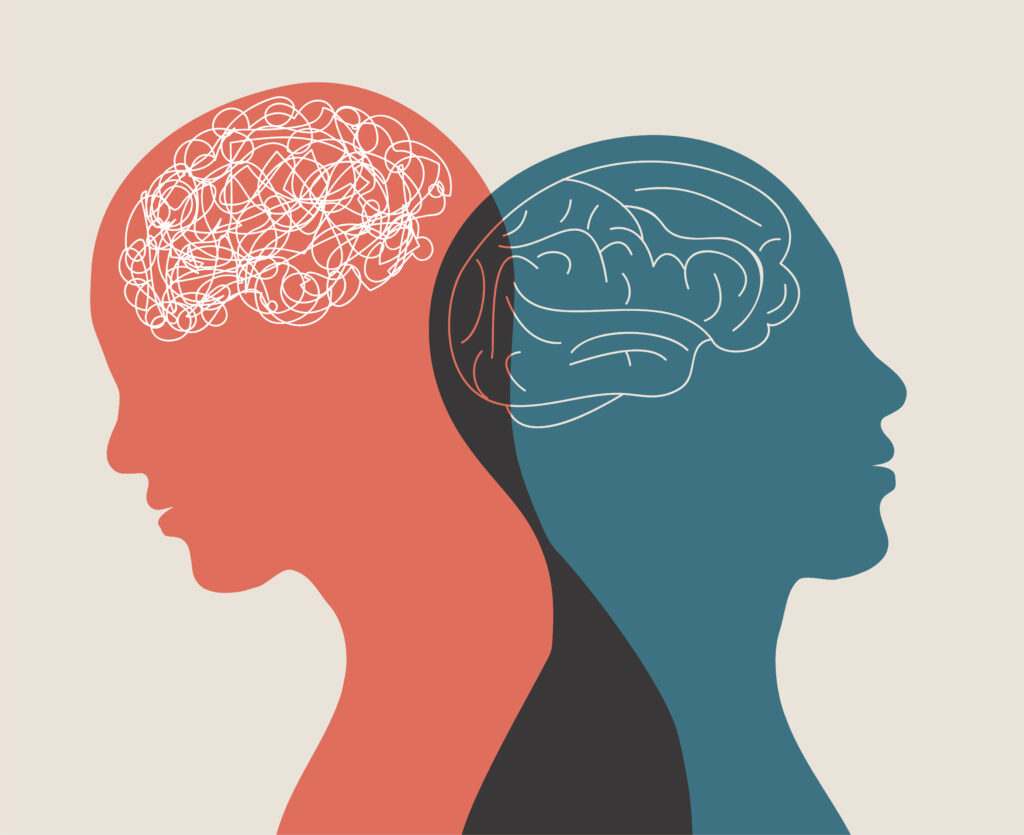
We live in a world defined by hyper-connectivity, rapid technological advancement, and an unprecedented pace of life. Yet, beneath the polished surface of our modern, digital-first global atmosphere, a silent and devastating epidemic is unfolding among our youth. Young people today are navigating a landscape fraught with unique, novel challenges—deepening social isolation, economic uncertainty, and an overwhelming mental health crisis.
For many, the weight of these pressures becomes too heavy to carry. In search of an escape from the background noise of anxiety and disconnection, far too many young adults fall into the destructive, cyclical trap of substance abuse and drug addiction.
The journey out of addiction is incredibly grueling. Traditional rehabilitation programs, clinical therapy, and medical detox units perform a vital, life-saving function: they stabilize the individual, break the physical cycle of chemical dependency, and provide the foundational tools of early sobriety.
But a critical, frequently ignored question remains: What happens when rehab ends?
When a young person steps out of a structured treatment facility and returns directly to the exact same environment, the same social circles, and the same geographic triggers that fueled their addiction in the first place, the risk of relapse skyrockets. Sobriety cannot survive in a vacuum. To stay clean long-term, a person needs more than just the absence of drugs—they require the presence of a profound, undeniable sense of purpose. They need a reason to wake up in the morning, a way to redefine their identity, and a structure that channels their energy into something greater than themselves.
At Equitable Life Organization International (ELOI), our 501(c)(3) mission is rooted in defending human dignity and helping our youth navigate the complex challenges of a changing world. Recognizing this massive structural gap in the traditional recovery continuum, we have developed a radical, life-altering initiative: the ELOI Post-Recovery Support Program.
By taking young adults in recovery away from their familiar environments and placing them into immersive, hands-on global service projects in Uganda, East Africa, we are redefining what it means to heal.
The Liminal Space: Understanding the Post-Rehab Vulnerability
To understand why a radical change of environment is so effective, one must first analyze the psychology of early recovery. In public health, the period immediately following formal addiction treatment is recognized as a highly volatile “liminal space.” The individual is no longer actively using drugs, but they have not yet built a stable, meaningful life to replace the vacuum left behind by their addiction.
During active addiction, a person’s entire day is structurally organized around a single objective: obtaining, using, and recovering from substances. When that loop is broken by rehab, it leaves behind an immense, empty space in a person’s schedule and mind. If that space isn’t intentionally filled with meaningful, engaging, and challenging activity, the mind naturally drifts back toward old habits.
Furthermore, traditional post-rehab options—such as transitioning directly into a local sober living house or returning to a childhood bedroom—often fail to break the internal narrative of shame and victimhood. The individual is constantly reminded of their past mistakes, monitored by authority figures, and viewed through the narrow lens of being a “recovering addict.”
ELOI’s approach breaks this cycle by changing the narrative entirely. We do not view these young people as broken individuals who need to be managed; we see them as capable, resourceful global citizens who possess an immense reservoir of untapped potential. We take them out of the environment where they were defined by their struggles and place them into an environment where they are defined entirely by their capacity to serve others.
Radical Dislocation: The Core Architecture of the Uganda Program
The ELOI Post-Recovery Support Program is built around a self-sponsored, long-term journey to Uganda, East Africa, lasting anywhere from three months to a full calendar year. We partner directly with our sister organization on the ground (ELOI Africa) to provide an immersive, highly structured, and profoundly supportive environment.
Why Uganda? Why cross an ocean to find healing?
The answer lies in the therapeutic power of radical dislocation. By completely removing a young person from their geographic comfort zone, their cultural safety nets, and their established digital bubbles, we disrupt the deeply ingrained neurological pathways associated with their addiction. In a completely new environment, the old triggers simply do not exist. The brain is forced to adapt, learn, and form entirely new, healthy patterns of processing reality.
A Structured Rhythm of Service
The program is not a vacation or a passive tourism trip. It is an intense, active, and deeply engaging commitment to community development. Participants are placed directly onto the front lines of ELOI’s ongoing humanitarian projects across Uganda. Their days are filled with manual labor, community organization, and collaborative problem-solving.
A typical weekly schedule for a post-recovery participant includes:
- Field-Based Project Labor: Working on structural construction, agricultural development, or environmental mitigation.
- Community Integration & Mentorship: Working directly alongside Ugandan peers, community leaders, and local families.
- Daily Reflective Councils: Group meetings where participants process their emotional journeys, discuss the challenges of the day, and reinforce their recovery commitments without the sterile feel of a clinic.
Shifting the Focus: The Deep Psychology of Service
The fundamental mechanism of addiction is an intense, involuntary hyper-focus on the self. The addicted mind is trapped in a continuous loop of self-evaluation: How do I feel? How can I alleviate my discomfort? How do I get what I need right now? This profound self-centeredness is not a moral failing; it is a neurological symptom of the disease.
The most effective antidote to this internal hyper-focus is altruistic service. When you take a young person who has spent years consumed by their own internal struggles and place them in a position where they are directly responsible for the well-being of a vulnerable child, a laboring mother, or an impoverished community, a profound psychological shift occurs. The focus completely moves from the self outward onto others.
“We discover ourselves when we lose ourselves in the service of others. The moment you become the answer to someone else’s prayer, your own wounds begin to heal.”
Hands-On Projects on the Ground in Uganda
Participants in our post-recovery program do not sit on the sidelines. They are embedded directly into our core African initiatives, taking ownership of tangible deliverables:
- The ELOI Junior School Project: Participants pick up tools to help mix concrete, lay bricks, and build classrooms that will provide clean, safe educational environments for hundreds of vulnerable children. Teaching basic life skills or sports during school hours allows them to become role models, a completely novel experience for many who have long felt like community disappointments.
- Buwenge Hospital Outreaches: Working alongside our medical teams, participants assist in the logistics of mobile medical camps, sorting medical supplies, distributing clean birthing kits to expectant mothers, and managing patient registration in deep rural villages.
- Sustainable Agriculture and Climate Mitigation: Participants roll up their sleeves to plant indigenous trees, build rainwater harvesting systems, and assist local farming families in implementing climate-smart agricultural techniques to safeguard local food security.
The Paradigm Shift: Standard Recovery vs. ELOI Global Post-Recovery
To see how drastically this model departs from traditional American post-rehab transitions, consider this comparative structural breakdown:
| Dimension of Transition | Standard Post-Rehab Model | ELOI Global Post-Recovery Support |
| Geographic Context | Return to local community; high exposure to historical triggers and old peers. | Radical dislocation to Uganda; complete elimination of spatial triggers. |
| Primary Identity | Positioned as a passive patient or “recovering addict” under constant monitoring. | Positioned as an active, capable volunteer and global humanitarian worker. |
| Mental Focus | Continued hyper-focus on internal emotional states and past mistakes. | Outward focus on community survival, child mentorship, and altruistic service. |
| Cultural Perspective | Contained entirely within a familiar Western consumerist, individualistic mindset. | Immersive exposure to communal, relational African values (Ubuntu). |
| Daily Activity | Often defined by unstructured free time, low-wage stopgap jobs, or isolation. | Rigorous, physically engaging, purpose-driven manual labor and collaboration. |
Cultural Exchange and the Gift of Ubuntu
While the physical work of building schools and assisting clinics provides structure, the true catalyst for permanent, internal transformation during these trips is the profound cultural exchange that takes place.
Young adults raised in modern Western societies are often conditioned to measure their personal worth through the lenses of material acquisition, digital status, and individualistic achievement. This hyper-competitive environment can foster a deep sense of inadequacy and isolation, which often serves as a primary driver of substance abuse.
In rural Uganda, our participants are introduced to a completely different cultural operating system—one rooted in the ancient African philosophy of Ubuntu: “I am because we are.” This worldview posits that a person’s humanity is fundamentally realized through their relationships with others, emphasizing community solidarity, shared responsibility, and deep hospitality.
Lessons in Perspective
Living and working within Ugandan communities allows recovering youth to witness a profound form of resilience. They interact daily with individuals who face severe material poverty, unpredictable climate challenges, and systemic healthcare deficits, yet carry themselves with immense joy, communal pride, and deep spiritual grounding.
This exposure shatters the participant’s insular perspective. Their personal struggles, while valid, are reframed within a massive global context. They learn that happiness and contentment are not derived from material consumption or external validation, but from the depth of one’s human connections and the utility of one’s labor to the community. They arrive in East Africa seeking to change lives, but they consistently find that the lives most profoundly changed are their own.
Finding a Renewed Purpose for Life
The ultimate goal of the ELOI Post-Recovery Support Program is for every participant to return to the United States with a renewed, unshakeable foundation for their life. When a young adult completes a six-month or one-year deployment in Uganda, they are no longer the same person who checked into rehab months prior.
They return home with physical strength forged through hard manual labor, global perspectives gained through deep cross-cultural relationships, and an authentic portfolio of humanitarian achievements. They have proved to themselves that they can navigate immense discomfort, adapt to unfamiliar environments, solve complex problems, and serve as a vital lifeline to communities in need.
They are no longer defined by their addiction. They are human rights advocates, builders, mentors, and survivors. They have discovered their true self-worth, unlocked their unique purpose, and built a lifelong commitment to the global family of service.
















26 Responses
https://shorturl.fm/9V2S3
https://shorturl.fm/Og1Hb
https://shorturl.fm/6M6xH
https://shorturl.fm/orAlW
https://shorturl.fm/dowV2
https://shorturl.fm/7rbGg
https://shorturl.fm/mxAnm
https://shorturl.fm/hS3P7
https://shorturl.fm/TZ87f
https://shorturl.fm/gkMgT
https://shorturl.fm/xeGF5
https://shorturl.fm/CF4Tq
https://shorturl.fm/sJdLu
https://shorturl.fm/h0HCj
https://shorturl.fm/LGoBC
https://shorturl.fm/nCkju
https://shorturl.fm/B5FzJ
https://shorturl.fm/LrYTl
https://shorturl.fm/gm8kR
https://shorturl.fm/KvP5d
https://shorturl.fm/zY2Cv
https://shorturl.fm/XOkr8
https://shorturl.fm/ATfvN
https://shorturl.fm/ZGP0k
https://pesnimp3.net
https://shorturl.fm/TQcQX