Introduction: The Aftermath of Incarceration
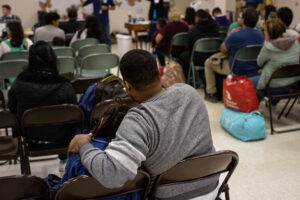
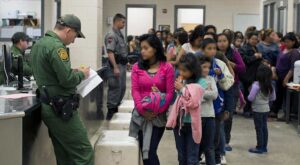
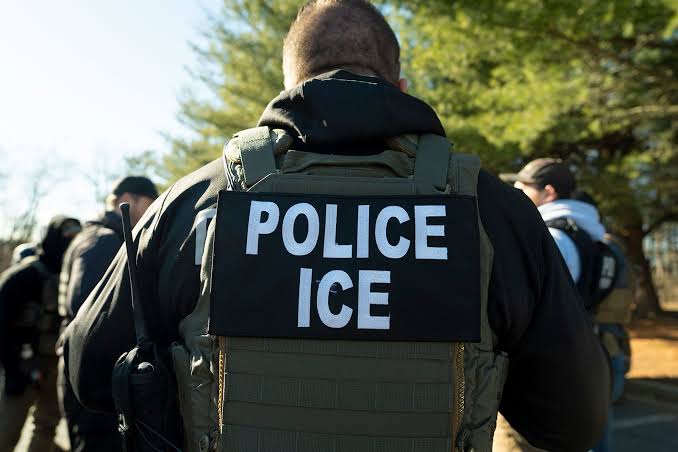
On July 30, the United Nations marked the World Day Against Trafficking in Persons. In the United States, combating human trafficking and exploitation requires a hard look at how our own legal systems manufacture vulnerability. For thousands of New Americans legally seeking asylum, their first experience in the U.S. is a prolonged stay in a corporate, profit-driven ICE detention center or a local jail.
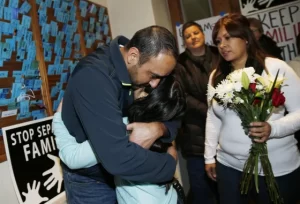
When these individuals are finally released, they are frequently pushed out into American cities with zero financial assets, no immediate work authorization, and no secure housing. This systemic policy of isolation and abrupt release creates a highly vulnerable population—one that underground labor markets and exploitative networks eagerly prey upon.
The Mechanics of Systemic Cruelty
Inside the detention matrix, asylum seekers face profound structural barriers designed to break their legal resolve:
- Systemic Legal Obstruction: Arbitrary transfers across state lines sever detainees from their family support networks and legal counsel, making it incredibly difficult to navigate federal immigration courts.
- Medical Neglect and Institutional Racism: Minority immigrants bear the brunt of intense medical neglect, with basic healthcare for chronic conditions frequently withheld.
ELOI’s Mandate: Policy Advocacy and Systemic Accountability
ELOI Inc. is a registered 501(c)(3) nonprofit acting as an aggressive policy advocate. We refuse to accept the criminalization of displacement. We partner with legal coalitions to audit conditions within regional facilities, demanding full adherence to civil rights protections and the total eradication of profit-driven detention. True justice demands an immigration framework that treats every human being with fairness and dignity, protecting them from the margins of exploitation rather than pushing them toward it.