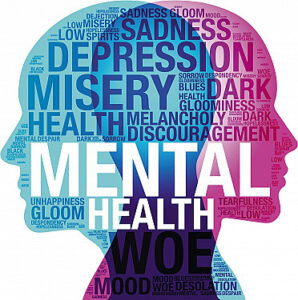

Health is not just a clinical issue—it’s a human one. And for many people ELOI USA serves, the deepest challenges are not only visible on intake forms. They are carried in the mind: trauma, isolation, addiction recovery struggles, anxiety, and the long work of rebuilding a future.
ELOI USA identifies health—especially mental health and recovery—as a critical part of human rights and dignity. (eloi-usa.org)
Recovery needs more than resources—it needs purpose
In many communities, people who struggle with addiction and mental health are treated as if they are “beyond help.” ELOI USA rejects that. We believe recovery becomes stronger when a person can find meaning, belonging, and a path forward—supported by structured programs and compassionate care.
ELOI USA’s approach includes post recovery support, where young people recovering from drug addiction are supported through a recovery-focused journey and hands-on project involvement with a sister organization in East Africa. The program emphasizes self-discovery, identity restoration, and renewed purpose over time. (eloi-usa.org)
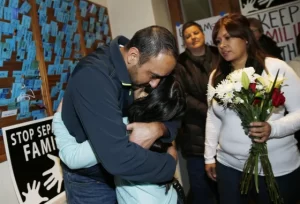
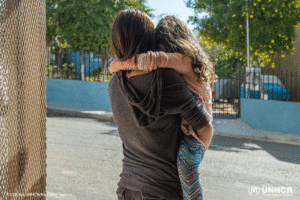
Mental health matters in every immigration story
For asylum seekers and New Americans navigating legal systems, the stress is not just emotional—it becomes daily pressure that impacts sleep, decision-making, and long-term stability. ELOI USA includes mental health professionals and trauma-informed counseling as part of asylum support and community integration, because healing is essential to integration. (eloi-usa.org)
Dignity is practical
Hope must show up in real life: connecting people to resources, supporting stability, building community, and ensuring people are not treated as problems to be managed.
ELOI USA’s “what we do” framework reflects this whole-person focus across programs—justice, health, volunteer engagement, and support for integration and recovery. (eloi-usa.org)
Join the work
If you want your support to be more than symbolic, ELOI USA invites you to participate—by volunteering, partnering, or donating to initiatives that strengthen mental health, recovery, and access to dignified support.
Because recovery isn’t only about getting better. It’s about becoming yourself again—supported by people who refuse to give up on you.